
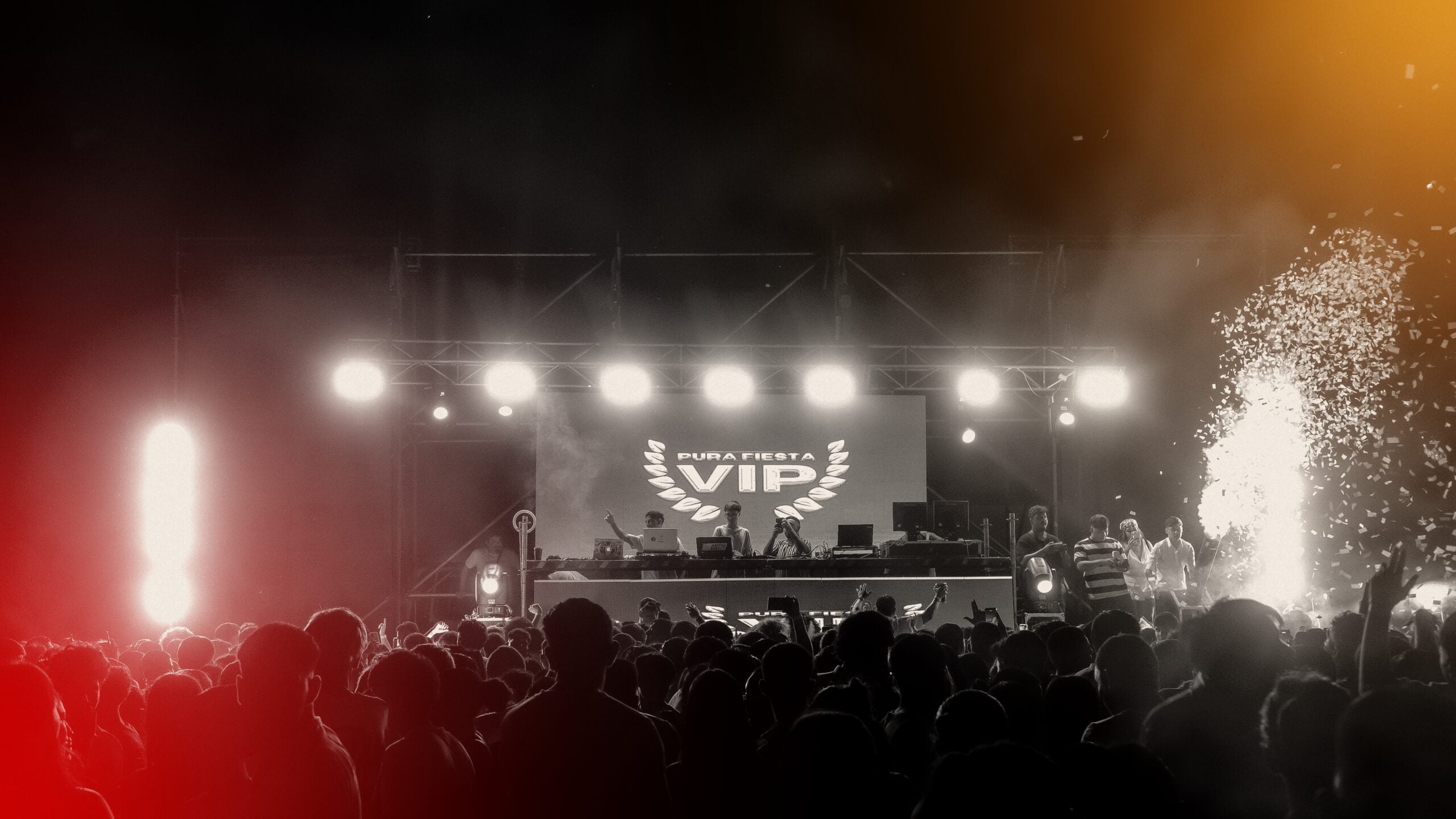
The live music industry has quietly changed in recent years.
Offering music fans a VIP ticket package is not new. For decades, many artists have created meet and greets, soundcheck access, or exclusive merch for their biggest fans.
But something is different now.
What used to be fun nice-to-have on arena or stadium tours has become a near must-have for tours of almost any size, and even for one-off festival appearances.
A new report from Please & Thank You, drawing on data from roughly one million VIP ticket transactions across 302 artists and 34 countries, confirms something touring professionals have likely already sensed: VIP packages aren’t performing the way most tours are designing them. Fans have clear preferences about what actually makes a VIP experience worth the money, and right now, most packages aren’t built around them.
Here’s a number that won’t surprise anyone reading this: after venue, promoter, and agent fees, artists typically keep only 10-20% of gross ticket revenue. Some estimates put it as low as $8 out of every $100 ticket sold. Average ticket prices have climbed 45% since 2019, but most of that increase has gone to venues and promoters, not the artist.
VIP revenue works differently, and tends to flow more directly to the artist. The report notes VIP programs overperforming projections by 50 – 200% or more across a tour cycle.
The report looked at roughly 1,000 distinct VIP package types, and found a striking amount of sameness in what’s included:
Notice what’s high on this list and what’s low. The elements that are easiest to produce at scale, merch, laminates, early entry, show up in nearly every package. The elements that tend to matter most to a fan, real access, a real moment with the artist, show up far less often.
That’s not necessarily an oversight. Meet and greets and soundcheck access take more coordination than handing over a lanyard. But it does mean a lot of packages are built around what’s convenient to deliver, not what a fan is actually paying for.
The good news: closing that gap doesn’t take a bigger production budget. It takes paying attention to a pattern in the data that explains almost everything else in this report, starting with what actually keeps a fan coming back.
This is the finding worth remembering long after you close this article.
Roughly 80% of fans who buy VIP once, then buy it a second time, never make a third purchase. But something changes for the fans who do reach that third purchase: retention nearly doubles, jumping from around 20% to almost 38%. It keeps climbing from there, and by a fan’s eighth VIP purchase, retention exceeds 65%.
In other words, the hard part isn’t getting a fan to try VIP once. It’s the second time. Get someone to a third purchase, and the relationship tends to sustain itself from there.
There’s also a clock on this. The report found that 65% of repeat VIP purchases happen within 30 days of the previous one. Miss that window, and the odds of a fan coming back drop fast.
Here’s a number that might change how you think about pricing. Per-order VIP spend barely moves as a fan becomes a repeat buyer. A fan’s tenth VIP purchase looks financially similar to their first.
Loyal fans aren’t paying more for a bigger package each time. They’re simply buying more often. Repeat buyers make up a relatively small share of total VIP customers, but account for close to a third of total VIP revenue.
None of this requires a bigger production budget or a fancier package. It mostly requires a shift in what you’re paying attention to.
A few things worth building into how you plan VIP for an upcoming run:
The teams that get this right aren’t necessarily the ones with the biggest VIP budgets. They’re the ones who’ve built these questions into how they plan a tour from the start, the same way they’d plan routing, staffing, or production.
Get this right, and VIP stops being a bonus tacked onto a tour’s real revenue. It becomes one of the more reliable ways to keep money that doesn’t run through a promoter’s cut first, the exact gap this article opened with.
Check out the full report here, and if you want to talk through how this might work for your next tour, get in touch.